The image of luxury is getting louder — but the money is still going to quality and recognizable classics.
Why subtlety is giving way to statement pieces, and what that says about fashion now
Where quiet luxury came from
"Quiet luxury" became one of the defining fashion phrases of 2023. Two moments are widely credited with bringing it into the mainstream.
The first was the fourth and final season of HBO's Succession. Its billionaire characters wore expensive clothes with almost no visible branding, and Kendall Roy's Loro Piana cashmere baseball cap, which retailed for around $525, became one of the look's emblems.
The second was Gwyneth Paltrow's civil trial in Park City, Utah, over a 2016 ski collision, where her understated, logo-free courtroom outfits were widely discussed. The idea was simple: luxury should be recognizable through quality, not display.
Jewelry followed the same logic. Writing for Who What Wear in May 2026, senior fashion editor Tara Gonzalez traced the progression from statement necklaces, to layers of fine gold chains with charms, to wearing nothing at all. Terms like "ear party" and "arm party," which had once described heavily layered jewelry, fell out of use.
The signals that it is shifting
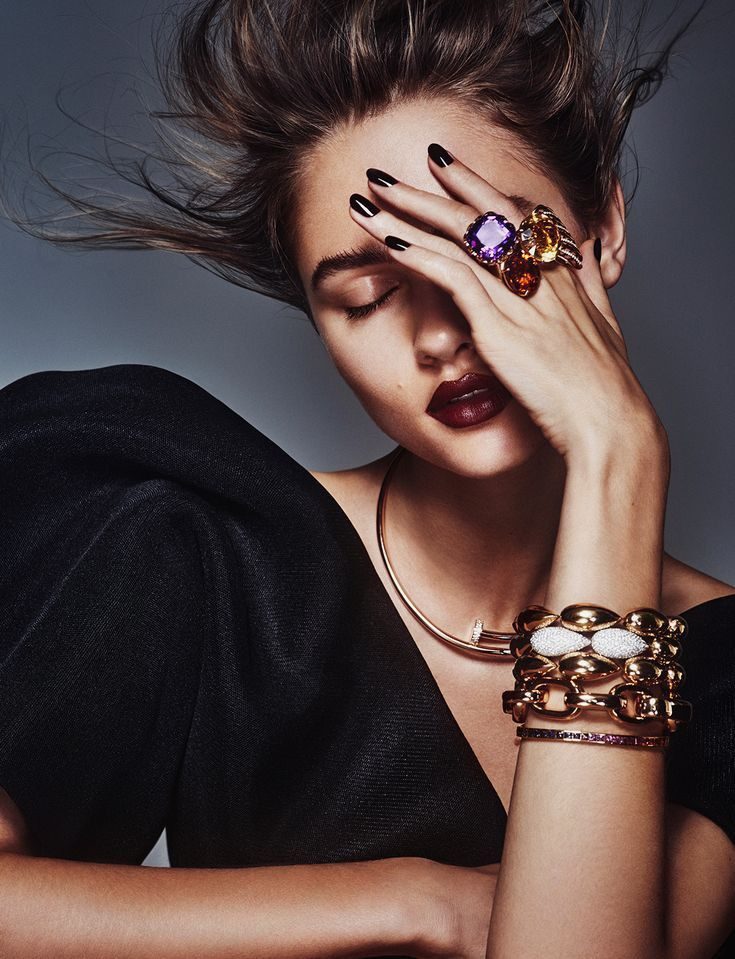
In December 2025, Pinterest published its Pinterest Predicts 2026 report. One of its named trends, "Glamoratti," describes an '80s-inspired maximalist aesthetic built on sculpted shoulders, funnel necks and jewelry that Pinterest said would get "chunkier, bolder and golder." Pinterest attributed the trend to Gen Z and Millennials.
According to WWD's coverage of the report, Pinterest searches for "maximalist accessories" rose 105 percent and "brooch aesthetic" rose 110 percent. Pinterest compared searches from September 2024 to August 2025 against the previous twelve months.
The runways pointed the same way. In its coverage of the Fall/Winter 2026 shows, Who What Wear reported:
- Saint Laurent: oversized gold chains
- Chanel: supersized beaded necklaces worn almost like collars
- Chloé: gold charm necklaces layered over high-necked tops

The red carpet followed. National Jeweler reported that at the 2026 Oscars, celebrities brought back necklaces, which had been fewer in number on the red carpet for the previous two years. Chokers, torques and fancy yellow diamond drops were all seen on the night.
Two familiar names
Two names closely tied to quiet luxury's rise have since appeared on the red carpet in unmistakable statement jewelry.
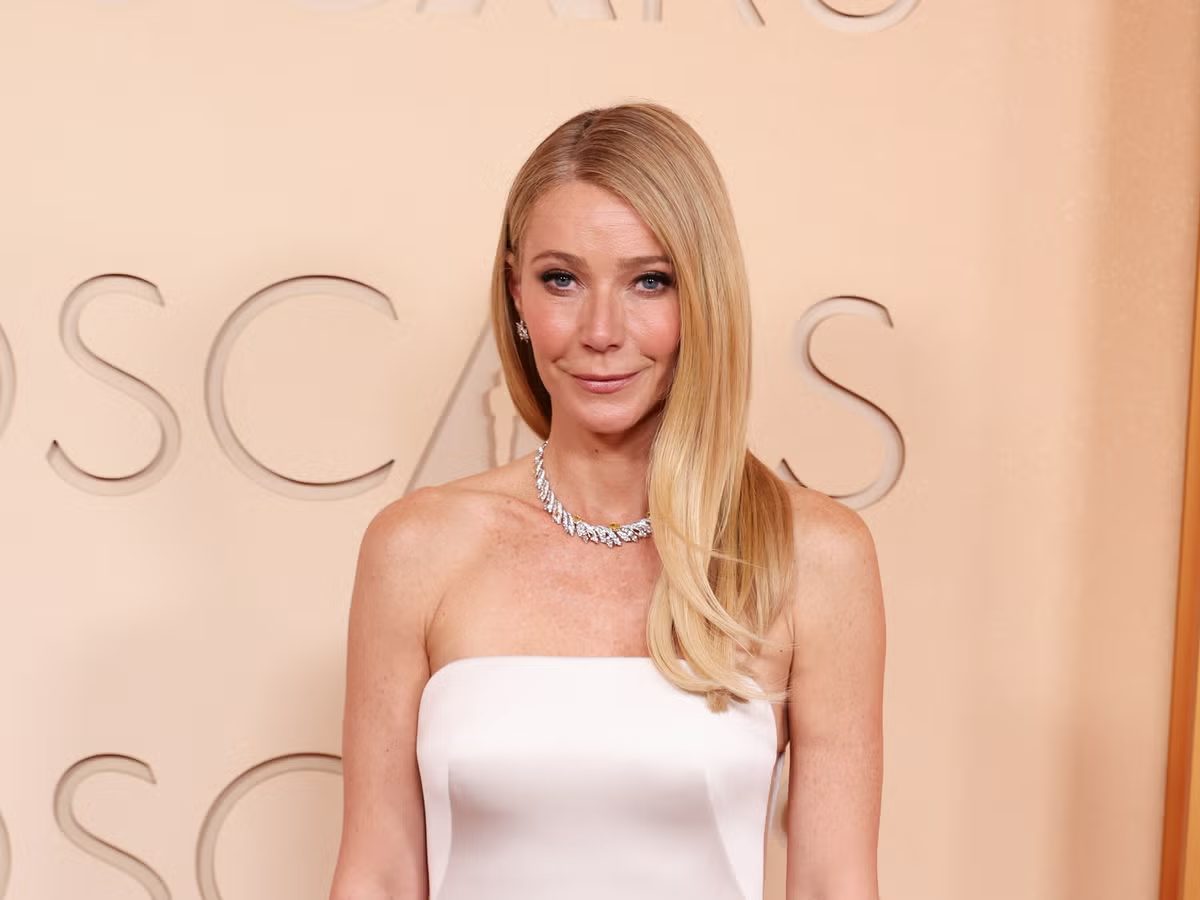
At the Oscars in March, Gwyneth Paltrow premiered a one-of-a-kind Tiffany & Co. necklace from the house's Blue Book 2026: Hidden Garden high jewelry collection, before the collection itself was unveiled. The Butterfly necklace is set with three oval fancy vivid yellow diamonds totaling more than five carats, alongside 830 round brilliant diamonds and eight pear-shaped diamonds.
At the Emmys in September, Sarah Snook wore a Cartier high jewelry diamond mesh bib necklace with matching bracelets on each wrist. Snook played Siobhan "Shiv" Roy in Succession, one of the characters whose wardrobe became a reference point for quiet luxury.

The case that it isn't over
The sales figures tell a more complicated story.
Brunello Cucinelli, one of the labels most closely associated with quiet luxury, reported revenue of €749.4 million for the first half of 2026. That was up 9.5 percent at current exchange rates and 13.3 percent at constant exchange rates, and the company raised its full-year guidance. By that measure, the business of understated luxury is still growing.
In jewelry, Richemont reported that sales at its four jewelry houses reached €16.5 billion for the year ending March 31, 2026, up 14 percent at constant exchange rates. The four houses are Buccellati, Cartier, Van Cleef & Arpels and Vhernier. The group said growth was fueled by its iconic product lines. In the following quarter, the same houses grew 24 percent at constant exchange rates, their seventh consecutive quarter of double-digit growth. RBC Capital Markets noted that the annual growth was supported in large part by price increases at Cartier and Van Cleef & Arpels.
There is also a limit to what the trend data shows. Pinterest measures what people search for and save, not what they buy or wear. A rise in searches for "maximalist accessories" shows curiosity, and it may or may not turn into purchases.
History offers another caution. Writing in 2023, Euronews linked the popularity of understated dressing to periods of economic strain, pointing to 1990s minimalism and the displays of "stealth wealth" during the 2008–09 recession. By that reading, how long quiet luxury lasts may depend as much on the economy as on the runway.
What this says about fashion now
The evidence points to a shift in what is being shown, not yet a clear shift in what is being bought. On the runway, in search data and on the red carpet, jewelry has become bigger and more visible. At the same time, understated luxury brands are still posting growth, and the leading jewelry houses report that their growth comes from established, iconic lines.
Read together, the image of luxury is getting louder, while the money is still going to quality and recognizable classics.
Quiet luxury was never really about owning less. It was about not appearing to try. The pieces now returning to runways and red carpets are designed to be noticed. Whether that marks the end of quiet luxury, or just its next phase, will depend less on what appears on the runway than on what people choose to buy.
Related reading: When jewelry becomes the headline and What jewelry looks like off the runway.




 Line
Line
 WhatsApp