Jewelry is shifting from a luxury product into an emotional asset — and that changes how it is designed and sold.
From “jewelry as adornment” to “jewelry as an expression of identity” — a research-based marketing analysis.
Introduction
Throughout human history, jewelry has never been merely an object used to adorn the body. Rather, it has functioned as a “social language” through which people communicate status, power, belief, religion, and personal identity. From shells used as media of exchange in prehistoric societies, the golden crowns of Egyptian pharaohs, and jade necklaces in Chinese civilization, to the gold ornaments of European royal courts, every piece has carried meanings that extend far beyond the intrinsic value of its materials.
A significant transformation, however, has taken place over the past two decades. Younger consumers have begun to place less emphasis on “status consumption” and greater value on “personal meaning.” Jewelry is no longer selected solely according to the size of a diamond or the quantity of gold it contains, but also for its ability to convey the wearer’s stories, memories, relationships, and identity.
This transition represents more than a change in aesthetic preference. It reflects a structural transformation in consumer behavior worldwide — one that directly influences product design, brand development, and marketing strategies across the jewelry industry.
1.1 The meaning of Meaningful Jewelry
Meaningful Jewelry refers to jewelry whose value is derived more from its “story” than from its materials. In other words, its worth is not determined solely by the weight of gold or the quality of gemstones, but also by the emotional relationship between the wearer and the object.
This concept corresponds with the theory of Symbolic Consumption in the field of consumer behavior. The theory explains that consumers do not purchase products solely for their practical functions. They also purchase them as a means of expressing their identity, values, and the image they wish to communicate to society.
Within the context of jewelry, such meaning may arise from several elements, including:
- The remembrance of an important person
- A significant event in one’s life
- Religious or spiritual beliefs
- Family bonds
- An heirloom passed from one generation to another
- A personal achievement
Jewelry therefore becomes a “memory object” rather than merely a luxury product.
1.2 From luxury consumption to emotional consumption
In the past, the luxury jewelry market was largely driven by ideas of wealth and social status. Consumers purchased jewelry to demonstrate success, power, or economic standing.
Since 2010, however, marketing researchers have identified an emerging trend: consumers — particularly Millennials and Generation Z — have begun to prioritize experiences and emotional value over the ownership of luxury goods purchased solely as symbols of status.
This transformation has been influenced by several factors, including:
- The growth of social media, which provides individuals with a space to share personal stories
- The transition toward an Experience Economy
- Greater attention to mental well-being and interpersonal relationships
- The desire to express an identity that is distinct from that of others
Within this context, jewelry is shifting from a “luxury product” into an “emotional asset” — an object whose significance lies in its psychological and emotional value.
1.3 Why consumers want jewelry with a story
Research in consumer psychology indicates that human beings tend to form emotional attachments to objects associated with important events in their lives, such as weddings, the birth of a child, graduation, or the experience of overcoming a difficult period.
When jewelry becomes connected to such events, it functions as a “memory cue.” Every time the wearer sees or touches the piece, it can reactivate the memories and emotions associated with that moment.
From a neurological perspective, meaningful objects can effectively stimulate the recall of memories and emotions. This allows the owner to develop an attachment to the object at a level considerably deeper than the attachment typically formed with ordinary consumer goods.
This is why many people refuse to sell their wedding rings or jewelry received from their parents, regardless of how high the objects’ market value may be.
1.4 Forms of Meaningful Jewelry in the global market
The contemporary market for meaning-centered jewelry has become increasingly diverse and can be divided into several principal categories.
Personalized jewelry
Personalized jewelry is among the fastest-growing segments of the market. Common forms include:
- Name engravings
- Handwriting engravings
- Fingerprint engravings
- Voice or sound-wave engravings
- The geographic coordinates of a meaningful location
- Significant dates
These forms of personalization make each piece unique and difficult to replace.
Birthstone jewelry
Although the concept of birthstones has existed for centuries, birthstone jewelry has recently regained popularity. Contemporary consumers increasingly reinterpret birthstones as expressions of personal identity rather than viewing them solely through the framework of traditional belief.
Family jewelry
The market for family jewelry continues to expand. Examples include:
- Heirloom rings
- Family necklaces
- Jewelry incorporating diamonds from previous generations
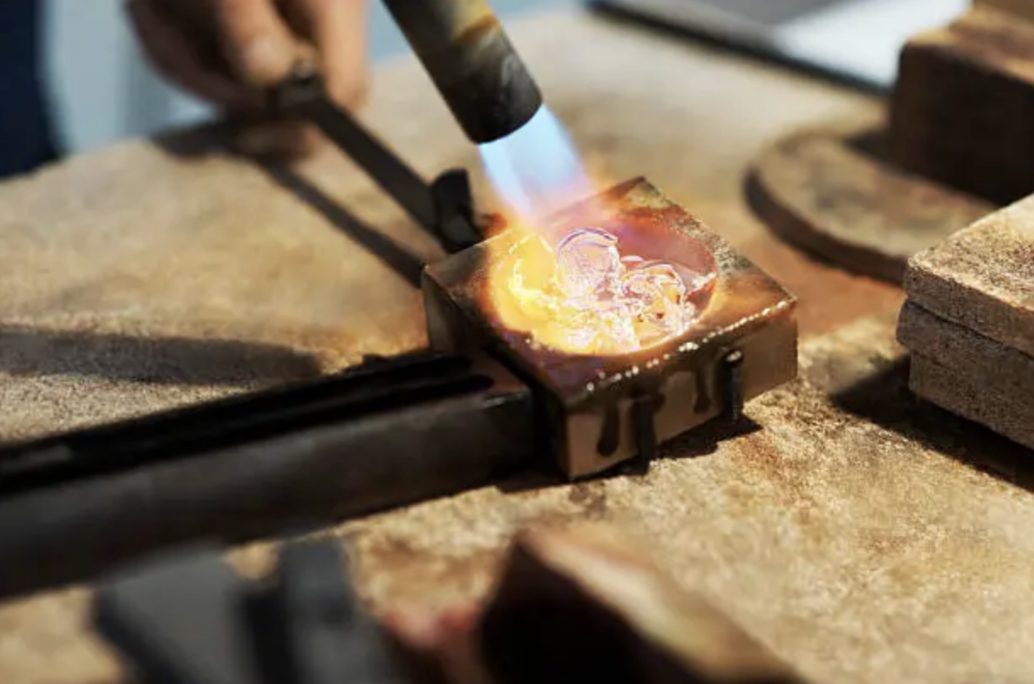
- New pieces created by melting down and redesigning old family gold
This trend reflects a growing appreciation for “family continuity” rather than the simple purchase of newly manufactured products.
Memorial jewelry
Jewelry created in remembrance of a loved one has become increasingly popular worldwide. Examples include:
- Lockets containing photographs
- Pendants containing cremation ashes
- Jewelry engraved with the handwriting of a deceased person
- Pieces designed from a person’s signature
Although memorial jewelry remains a specialized market, it has experienced strong growth because it addresses an emotional need that cannot easily be fulfilled by other categories of products.
1.5 Case studies from global brands
Many leading jewelry brands have shifted their strategies from selling “products” to selling “stories.”
Brands that provide services such as personalized engraving, gemstone selection based on symbolic meaning, or collaborative design with customers have found that these offerings can increase both customer satisfaction and brand loyalty. Buyers feel that they are participating in the creation of a distinctive piece rather than simply selecting a finished product from an existing collection.
At the same time, many global luxury brands have begun to emphasize the provenance of gemstones, the skills of individual artisans, and the sources of inspiration behind their collections. Such narratives create emotional value and establish a deeper connection with consumers than communications focused solely on material quality.
1.6 Marketing opportunities for Thailand
Thailand possesses rich cultural capital and considerable potential for developing the concept of Meaningful Jewelry. This potential can be found in jewelry connected to local beliefs, traditional craftsmanship, and the histories of individual regions.
Possible approaches include:
- Adapting traditional Thai artistic motifs into contemporary designs
- Creating jewelry that tells the story of a city or community
- Redesigning gold or gemstones already owned by customers in order to preserve and transmit their value from one generation to another
- Developing collections connected to festivals, traditions, or important events in the wearer’s life
These strategies can help jewelry businesses reduce their dependence on price competition and establish differentiation through “intangible value” — a form of value that competitors cannot easily reproduce.
Strategic conclusion
The growth of Meaningful Jewelry is not merely a passing fashion trend. It reflects a structural transformation in consumer behavior: a shift from the pursuit of symbols of wealth toward the pursuit of symbols of meaning.
For marketers, this means that future competition will not be determined solely by the weight of gold, the size of diamonds, or the rarity of gemstones. It will increasingly depend on a brand’s ability to create “emotional value” through design, storytelling, and customer experience.
In other words, jewelry is changing from a product into a representation of the wearer’s identity and a memory archive containing personal experiences, relationships, and emotional history.
Investment in consumer psychology, culturally informed design, and personalized customer experiences is therefore likely to create a greater competitive advantage than a strategy based solely on price.
Direction for Chapter 2
The next chapter, “Sustainability and Traceability,” will examine why contemporary consumers are placing greater importance on the origins of gold and gemstones, as well as the processes through which jewelry is produced. It will also explore how these concerns influence brand development, pricing strategies, and purchasing decisions within the global jewelry market.
อ่านบทความนี้เป็นภาษาไทย: เครื่องประดับที่มีความหมาย



 Line
Line
 WhatsApp