Highly visible on the red carpet, yellow diamonds are enjoying attention rather than a price boom.
The red carpet is embracing them. The market tells a more selective story.
A night of yellow
At the 2026 Oscars on March 15, National Jeweler reported that fancy yellow diamond drops were seen on many of the stars.
Anne Hathaway wore Bulgari's Neoclassical Starlight necklace in platinum, a preview from a high jewelry collection that had not yet launched. At its center was an 8.02-carat pear-cut fancy vivid yellow diamond set in a detachable pendant. She paired it with earrings set with fancy intense yellow and white diamonds.

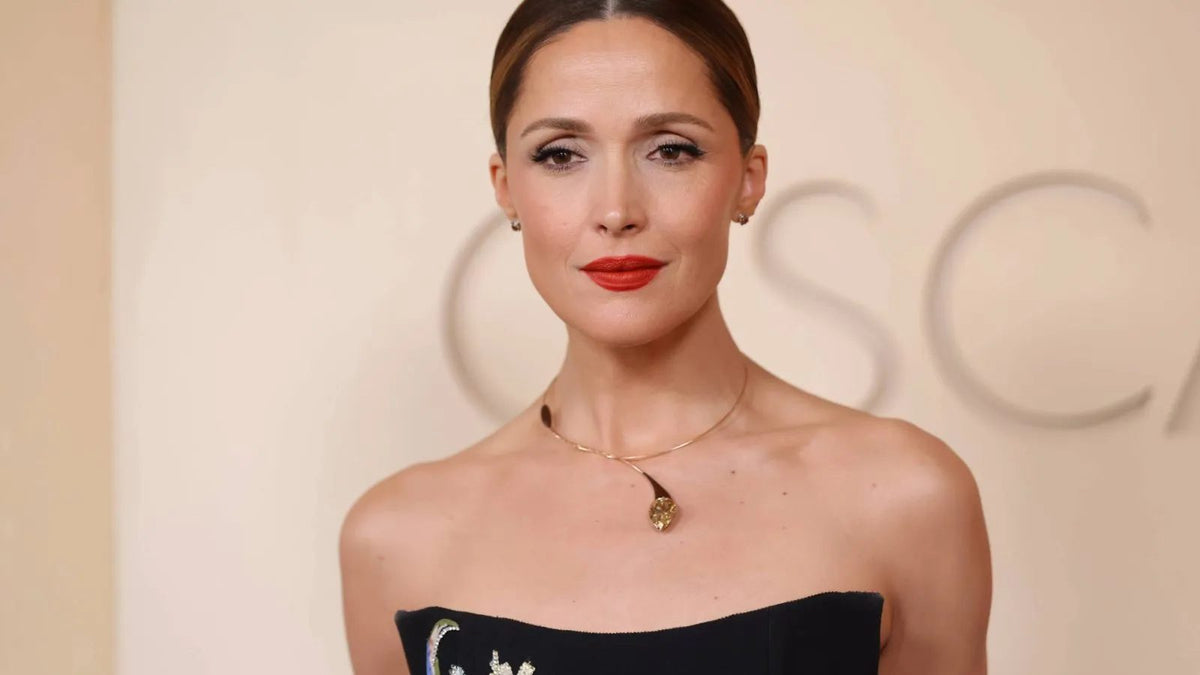
Rose Byrne wore a sculptural torque necklace by Taffin, centered on a 22.58-carat fancy yellow-brown pear-shaped diamond.

Chase Infiniti, a De Beers London Friend of the House, wore the house's Summer choker from its Metamorphosis 2023 couture collection. Set in 18-karat yellow and white gold, it is centered on a 9.06-carat fancy intense yellow cushion-cut diamond. She added Drops of Light jacket earrings with fancy vivid yellow pear-shaped diamonds and an Aura line bracelet of fancy yellow cushion-cut diamonds.
For a stone that has been prized for centuries, yellow diamonds were very much in view.
What makes a diamond yellow
According to the Gemological Institute of America (GIA), natural yellow diamonds get their color from trace amounts of nitrogen that enter the crystal as it forms deep in the Earth. The nitrogen absorbs blue light, which allows the yellow to show. When the nitrogen atoms are evenly spread through the crystal, the color tends to be strong and vibrant. When they cluster together, the color is softer.
Not every yellowish diamond counts as a "fancy" yellow. Very pale stones are graded on the standard D-to-Z scale used for colorless diamonds. Once the color is strong enough, GIA grades it on a separate scale. The grades most often used in jewelry are Fancy Light, Fancy, Fancy Intense and Fancy Vivid, and Fancy Vivid stones are the most prized. GIA notes that for yellow diamonds, color matters more to value than clarity or cut.

The setting also changes how the color reads. GIA explains that yellow or rose gold can make paler yellow diamonds look deeper and warmer. White gold or platinum makes the most saturated stones stand out through contrast.
Rare, but the most accessible colored diamond
Natural fancy colored diamonds are rare. GIA estimates that only about one in every 10,000 carats mined is a natural fancy color diamond. Within that small group, yellows are the most common, making up around 60 percent. That makes them the most affordable of all the natural colored diamonds.
Supply has not been constant. Western Australia's Ellendale mine produced more than half of the world's vivid yellow diamonds before it closed in 2015.
A long history in the spotlight
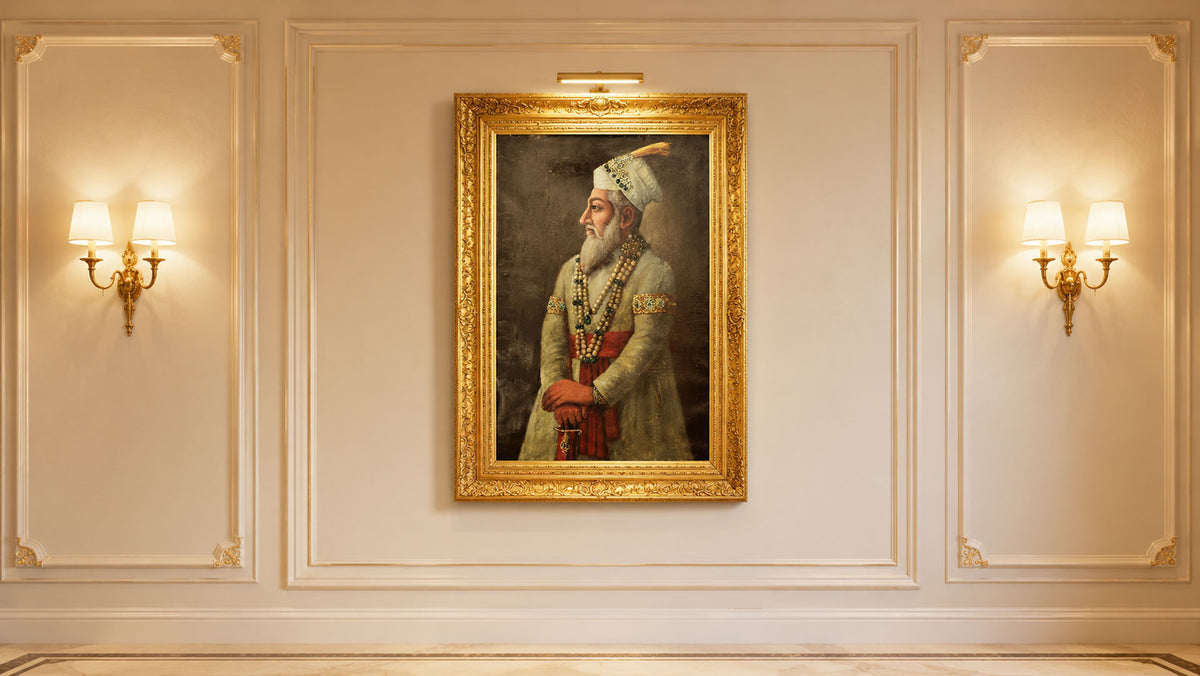
GIA notes that some of the earliest known yellow diamonds were discovered in India's Golconda mines in the 14th century. As mining expanded to Brazil and later South Africa, yellow diamonds became increasingly sought after by royalty and collectors.
The most famous yellow diamond in the world is the Tiffany Diamond. It was discovered in 1877 at the Kimberley Mine in South Africa as a 287.42-carat rough stone. Charles Lewis Tiffany bought it in 1878, and it was cut into a 128.54-carat cushion-shaped diamond with 82 facets, roughly two dozen more than a round brilliant.
It has been worn by only four women:
- Mrs. E. Sheldon Whitehouse in 1957
- Audrey Hepburn in 1961, for publicity photographs for Breakfast at Tiffany's
- Lady Gaga at the 2019 Academy Awards, the stone's first appearance on an awards show red carpet
- Beyoncé, in a 2021 Tiffany campaign

What the market says
The visibility on the red carpet has not translated into rising prices across the board.
The Fancy Color Research Foundation (FCRF) publishes a quarterly index tracking prices for yellow, pink and blue diamonds. In the first quarter of 2026, yellow diamond prices were unchanged from the previous quarter but down 1.2 percent over twelve months, the largest yearly decline of the three colors. In the second quarter, yellow diamond prices fell 0.3 percent, as reported by JCK.
The FCRF described pricing within the yellow category as uneven: softer for more commercial qualities, and firmer for stones with higher color saturation.
At the very top, exceptional stones continue to command high prices. In November 2025, Sotheby's sold a pair of fancy vivid yellow diamond pendant earrings, set with stones of 38.88 and 38.66 carats, for 2.7 million Swiss francs.
The long-term picture puts yellows in context. Since the FCRF began collecting data in 2005, yellow diamond prices have risen 47 percent. Over the same period, blue diamonds rose 239.5 percent and pink diamonds rose 389.8 percent, according to JCK's report on the foundation's data.
Natural, treated or lab-grown
Not every yellow diamond is naturally colored. GIA notes that paler or brownish natural diamonds can be treated to produce a stronger yellow, through processes including high pressure, high temperature (HPHT) treatment, irradiation and annealing. Yellow diamonds can also be grown in a laboratory, with nitrogen added during growth to create the color.
This is why GIA recommends buying a yellow diamond with an independent grading report. GIA's colored diamond reports state whether a stone's color is natural or treated, which can have a major effect on its price.
What this says about yellow diamonds now
Yellow diamonds are highly visible on the red carpet, and the most exceptional stones continue to sell at high prices. But the price data does not show a broad surge. Commercial-quality yellows have softened, and over two decades the category has grown far more slowly than pinks or blues.
Read together, the evidence suggests yellow diamonds are enjoying attention rather than a price boom. For buyers, that may be the point: they remain the most accessible way to own a natural colored diamond, and the market is rewarding the strongest color above everything else.
Yellow diamonds have never really gone away. They were found in the mines of Golconda, sought after by royalty and collectors, and worn by Audrey Hepburn and Lady Gaga. What has changed is how visible they are. This year, the red carpet chose to look at them again.
Related reading: The 4Cs of diamonds and what people usually get wrong and Lab-grown diamonds and future materials.






 Line
Line
 WhatsApp