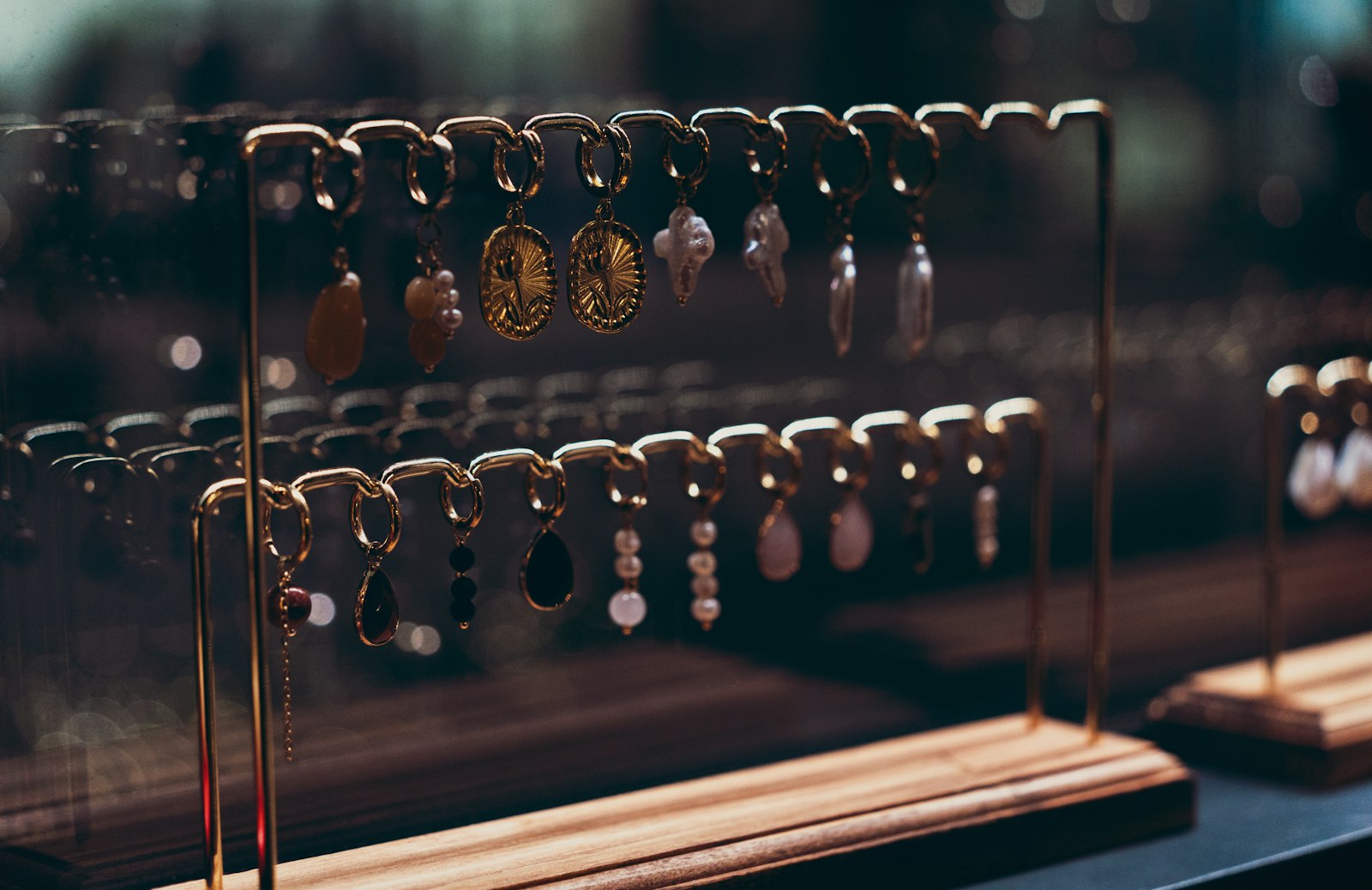
Beauty alone has never been enough to sustain a brand
Every year, thousands of people launch jewelry brands with genuine passion, distinctive taste, and real creative vision. They invest in inventory, build an Instagram presence, and wait for the world to discover them. Within eighteen months, most have quietly closed up, not because the jewelry wasn’t beautiful, but because beauty alone has never been enough to sustain a brand.
Understanding what separates the brands that endure from those that disappear requires looking beyond the obvious. The answer isn’t better product photography, a larger marketing budget, or a more active social media presence, though all of those matter. It comes down to something more structural: how a brand is conceived, positioned, and built from its very first days.
The five mistakes that end most brands before they begin
Failure in the jewelry industry rarely arrives as a single dramatic moment. It tends to be a slow erosion, of cash, confidence, and clarity. Below are the five patterns that appear repeatedly among brands that don’t make it past their first year.
1. Mistaking a product for a brand
A collection of beautiful pieces is not a brand. A brand is a point of view, a consistent story that customers can believe in and return to. Founders who lead with product before establishing positioning find themselves in a race they cannot win: always chasing the next trend, unable to command premium pricing, invisible against competitors with near-identical offerings. The brands that last define who they are before they design a single piece.
2. Underestimating the complexity of manufacturing
Finding a supplier is the easy part. Finding a manufacturing partner who understands your quality standards, communicates reliably, meets deadlines, and scales with you is extraordinarily difficult, and the cost of getting it wrong is severe. Delayed launches, inconsistent quality, and minimum order quantities that strain cash flow are among the most common reasons new jewelry brands fold in their first year. Manufacturing is not a logistical afterthought; it is the backbone of the business.
3. Chasing trends instead of building timelessness
The jewelry pieces that trend on social media this quarter will look dated by the next. Founders who build their identity around what is currently popular are forever running to catch a moving train. The most durable jewelry brands, from the storied heritage houses to the modern independents who have achieved real longevity, are built around an aesthetic perspective that does not need to pivot every season. Timelessness is a strategic choice, not a creative limitation.
4. Launching without a considered market entry strategy
Many new brands treat launch as the finish line rather than the starting gun. The effort and investment goes into creating the product; very little goes into how, where, and to whom that product will be introduced. First impressions in the luxury and semi-luxury jewelry space are extraordinarily difficult to revise. A poorly considered launch does not just mean slow initial sales, it shapes how the brand is perceived for years afterward.
5. Trying to do everything without the right expertise
Jewelry is one of the most operationally complex categories in consumer goods. It spans design development, materials sourcing, manufacturing relationships, quality control, brand architecture, pricing strategy, photography, storytelling, distribution, and ongoing customer relationships. Attempting to develop deep expertise across all of these domains simultaneously, while also running the day-to-day of a new business, is not a realistic proposition. The brands that grow do so by building around the right expertise from the start, not by acquiring it through costly trial and error.
“The brands that last are almost never the ones with the most beautiful product. They are the ones that understood what they stood for before they started selling.”
What the brands that endure actually do differently
Longevity in jewelry is not accidental. Study the brands that have built genuine, lasting equity, whether they are decades-old heritage houses or younger independents who have broken through, and a consistent set of principles emerges. They begin with positioning, not product. Before a single design is finalized, the enduring brands have defined their place in the market with uncommon precision: who they serve, what emotional territory they occupy, how they are differentiated, and what they will never be. This clarity shapes every decision that follows — design direction, pricing, tone of communication, choice of manufacturing partner, launch strategy.
They treat manufacturing as a strategic relationship, not a transaction. The great jewelry brands do not simply find a factory; they build partnerships. They invest time in understanding the capabilities and culture of their production partners. They align on quality standards before a single piece goes into production. They build relationships that allow them to scale without sacrificing the craftsmanship that defines them. They design for decades, not seasons. This does not mean their collections never evolve, it means their aesthetic identity is stable enough that evolution feels like growth rather than reinvention. Customers know what a brand stands for. They return not just for a specific piece, but for a point of view.
They invest in brand architecture before brand marketing. A brand that knows its story, its visual identity, its naming conventions, and its narrative structures is equipped to communicate consistently across every touchpoint, from a product description to a campaign image to a response to a customer inquiry. Brands that market before they have built this architecture spend their budgets inefficiently and often confuse rather than attract the customers they want. And they are honest about the expertise they need. The most successful jewelry founders are not necessarily the most technically knowledgeable people in every dimension of the business. They are the ones who know where to find the right expertise and how to structure relationships with people who can deliver it.
The window that matters most
The first three months of a jewelry brand’s life are disproportionately consequential. The decisions made in that period, about positioning, about manufacturing partners, about how the brand presents itself to the world for the first time, establish patterns that are remarkably difficult to undo. A brand that launches without a considered identity does not simply have a slow start; it creates a perception problem that requires significant time and investment to correct. This is why the brands that approach those early months with structure and intention consistently outperform those that approach them with enthusiasm alone. Passion is the prerequisite. But structure is what allows passion to become a business.
At JC Studio, the three-month framework we use with every brand we build exists precisely because of what happens when those early decisions are made well. Strategy, design development, manufacturing relationships, and launch, handled in one place, with the long view in mind from the very first conversation. If you are considering building a jewelry brand and want to understand what that process looks like in practice, we are always open to a conversation.




 Line
Line
 WhatsApp