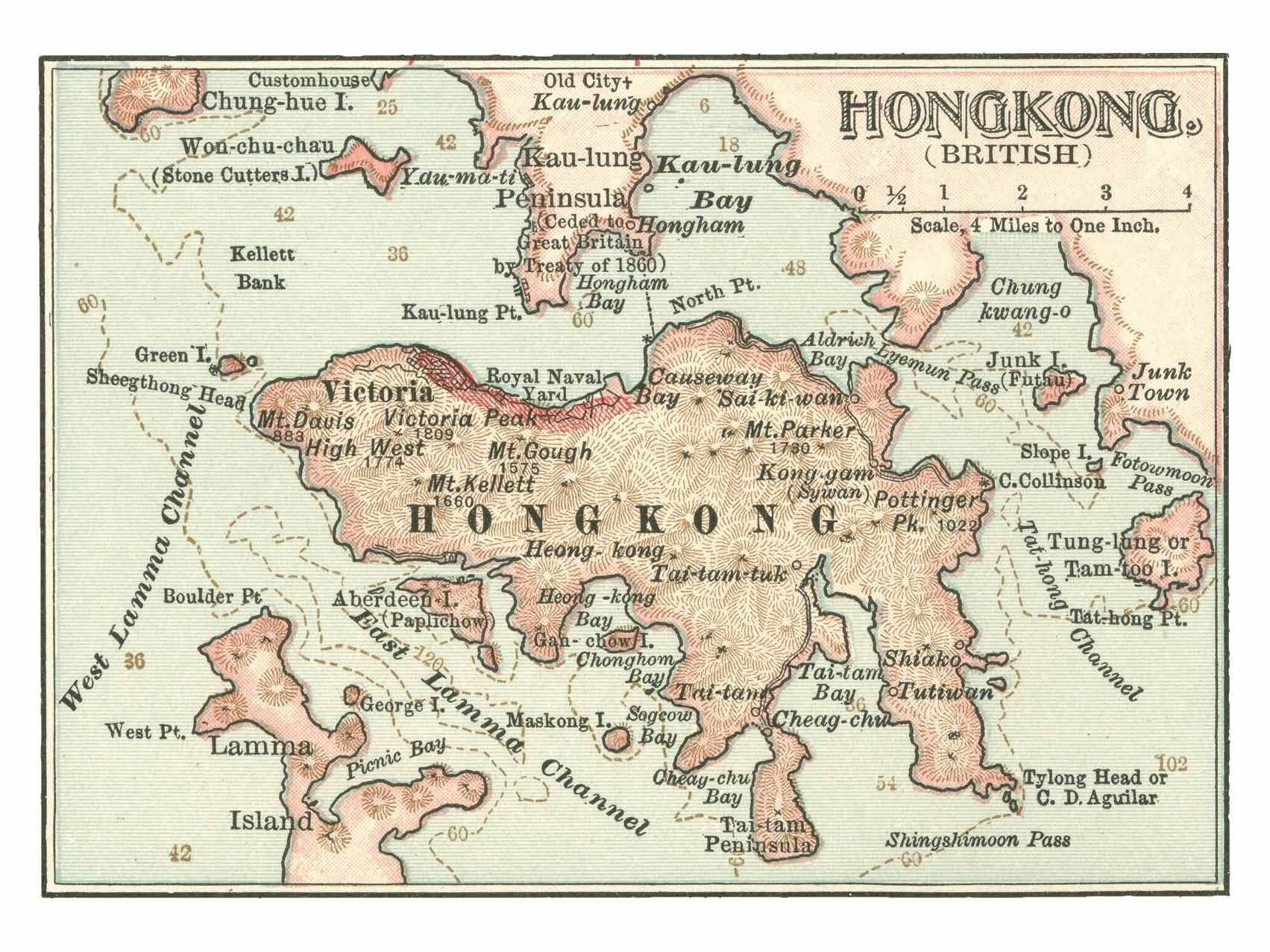
In the 19th century, when the British Empire took possession of Hong Kong, this small port city on the South China Sea was designated as a Free Port, under a legal framework that facilitated international free trade. From then on, Hong Kong became a convergence point for the movement of goods, currencies, and people from across the globe—ranging from tea, silk, and opium, to precious commodities such as diamonds and gemstones.
Timeline of “The Diamond Gateway of Asia”
1842 – Treaty of Nanking
Following the First Opium War, Hong Kong was ceded to Britain under the Treaty of Nanking. It was designated a Free Port, which meant that unlike many other colonial ports, it was not subject to heavy tariffs or restrictive duties. This open system allowed merchants to bring in a variety of goods freely—including gems and precious stones from India and Burma—establishing Hong Kong as a vital entrepôt of the British Empire in Asia. The new colonial administration encouraged free trade as a cornerstone of its policy, which attracted merchants from Britain, India, and Southern China.
Late 19th Century: Rise of the Hub Port
As steamship technology advanced and global shipping routes expanded, Hong Kong became a critical maritime crossroads. Vessels carrying diamonds from Africa, rubies and sapphires from Burma and Ceylon, and jade from China and Burma stopped in Hong Kong before distributing these goods to Shanghai, Yokohama, and Bangkok (then Siam).
-
The port’s strategic location at the mouth of the Pearl River Delta made it a gateway to Southern China.
-
Banks, insurance firms, and trading companies began to cluster around Central District, strengthening Hong Kong’s role in international finance linked to trade in luxury goods.
-
Diamonds in particular gained symbolic importance as Western luxury objects entering Asian consumer markets.
1920s–1930s: Flourishing Trade and Urban Prestige
During the interwar years, Hong Kong’s diamond and gem trade expanded in parallel with the city’s port economy.
-
Jewelry shops and foreign trading agencies were established along Central and Queen’s Road, the commercial heart of colonial Hong Kong. These shops catered not only to expatriates but also to the emerging class of wealthy Chinese merchants and professionals.
-
Diamond advertisements and displays began to appear in English and Chinese newspapers, reflecting the rise of consumer culture and Westernized notions of luxury.
-
Gems also became intertwined with social prestige, as diamond jewelry was increasingly worn at colonial balls, banquets, and elite gatherings.
1950s–1970s: Postwar Recovery and Industrial Era
After World War II, Hong Kong’s economy entered a phase of rapid recovery and industrialization.
-
Although the city’s manufacturing sector became known primarily for textiles, electronics, and plastics, diamonds and gemstones remained vital commodities, continually imported and redistributed to Japan, Taiwan, and Southeast Asia.
-
The growth of jewelry workshops—though still small in number—marked the beginning of a local industry that would later flourish.
-
As prosperity increased, diamonds became more visible in middle-class consumer culture, particularly in weddings and gift-giving traditions.
1980s onwards: A Global Diamond Trading Center
From the 1980s, Hong Kong fully established itself as one of the world’s major diamond trading centers.
-
Its geographical proximity to Mainland China, which was beginning to open its economy under the policy of Reform and Opening (改革开放), positioned Hong Kong as the primary gateway for luxury goods entering the Chinese market.
-
The city benefited from its robust legal system, free-trade policies, and international banking network, which allowed global diamond dealers to operate with confidence.
-
By the late 20th century, Hong Kong hosted international jewelry exhibitions, such as the Hong Kong Jewellery & Gem Fair, solidifying its reputation as a global hub for diamonds and gemstones.
-
The industry became a fusion of East and West: Western suppliers and institutions supplied the raw materials, while Asian consumers and jewelers shaped new cultural meanings of diamonds as both luxury and heritage.
The essence is that Hong Kong became a key intersection on the “world diamond routes,” blending Western and Eastern influences. The prosperity of the gem and diamond trade reflects not only economic dimensions but also the social transitions and shifting tastes that shaped Hong Kong’s identity as the “Diamond Gateway of Asia.”
From a museum perspective, exhibiting “19th-century trade maps” alongside early customs documents and diamond import permits would allow visitors to grasp Hong Kong’s connections with other global ports. The city was not just a stopover for goods but served as a “gateway” opening to East Asia.
In the gallery, displays might include customs seals on documents, trade ledgers, and colonial-era jewelry advertisements, highlighting how diamonds arrived together with the rise of a luxury consumption culture and the adoption of Western influences in Asia.
From Rough to Radiance: The Craft of Hong Kong’s Diamond Manufacturers

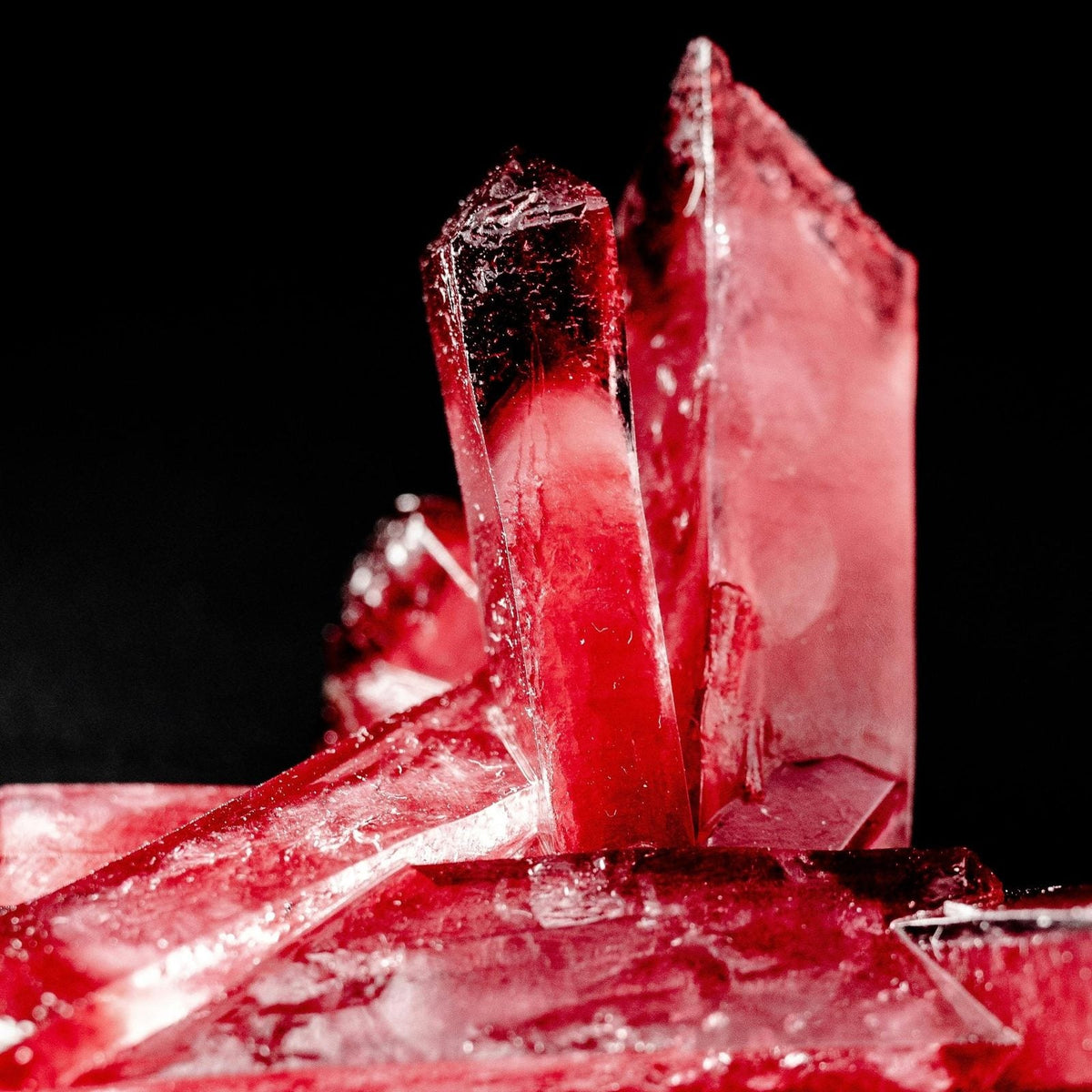
A diamond is nature’s symbol of beauty, yet its brilliance admired by the world depends on human craftsmanship. Hong Kong has been one of the crucial stages where a “rough stone,” raw and lifeless, was transformed into a “perfect gem” that shines on the global stage. This journey reflects not only artisanal refinement but also technological and economic development, which enabled Hong Kong to rise as a diamond-cutting hub.
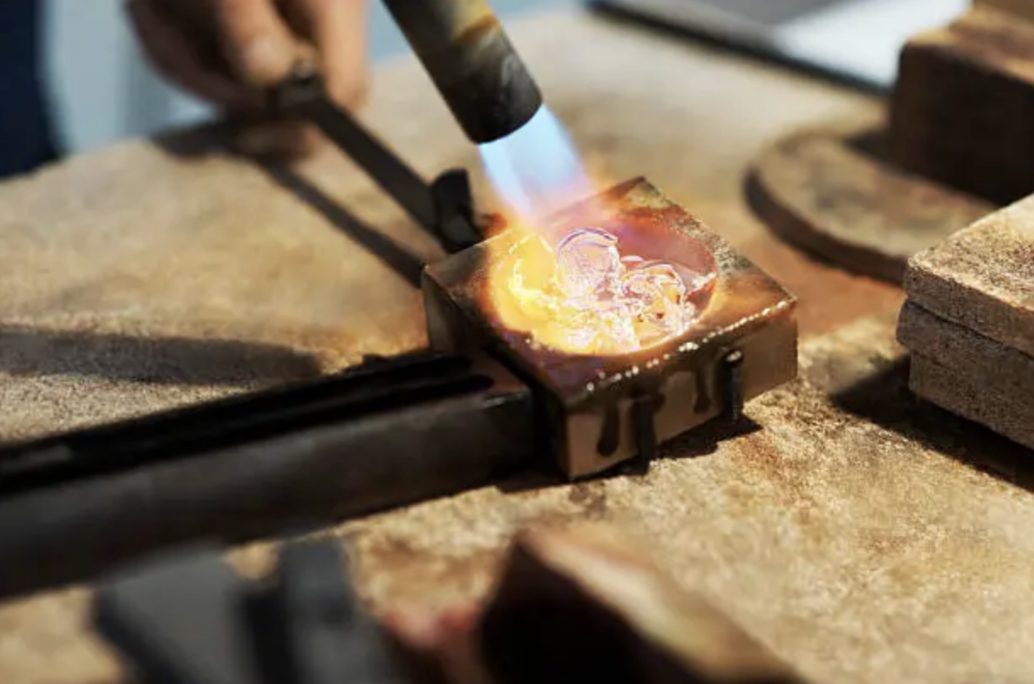
In the early 20th century, most diamonds arriving in Hong Kong had already been cut abroad. But after World War II, as the economy revived and skilled workers from Mainland China and Southeast Asia settled, Hong Kong gradually developed its own cutting industry. Local craftsmen began with simple tools, such as cutting plates and polishing stones, before gradually adopting electric power and mechanical equipment.
Timeline of Transformation: The Rise of Hong Kong’s Diamond Industry
1950s: The Birth of Small Workshops
In the 1950s, Hong Kong was still recovering from the devastation of the Second World War. Refugees and skilled workers from Mainland China and Southeast Asia arrived in large numbers, bringing with them diamond-cutting techniques. This led to the rise of small-scale workshops scattered across residential areas and emerging industrial districts.
-
Production relied almost entirely on skilled manual labor, using only cutting plates and polishing stones.
-
Output remained limited, yet these workshops formed the essential foundation of Hong Kong’s diamond industry.
1970s: The Spread of Electric Machinery
As Hong Kong entered its “industrial era,” jewelry factories expanded rapidly. The introduction of electric machinery transformed the industry by replacing hand-driven methods.
-
Production capacity increased significantly, enabling Hong Kong to meet overseas demand.
-
The city began to participate in international jewelry fairs, establishing its reputation as a reliable manufacturer.
-
Industrial districts such as Kwun Tong and Tsuen Wan became important hubs for jewelry production.
1980s: Laser Innovation and New Precision
The adoption of laser technology marked a milestone in the industry.
-
Laser cutting provided higher precision and greatly reduced rough diamond wastage.
-
Hong Kong’s diamonds began to reach a quality standard comparable to global leaders.
-
The city attracted major retailers and wholesalers, including Chow Tai Fook and De Beers Sightholders, further integrating Hong Kong into the global trade.
1990s–2000s: Hong Kong on the Global Stage
By the 1990s and 2000s, Hong Kong had achieved recognition as a global leader in high-quality diamond cutting.
-
The industry developed into a fully integrated system, covering import, cutting, design, and export.
-
Hong Kong became one of Asia’s “three pillars” of the diamond trade, alongside India (Mumbai/Surat) and Israel (Tel Aviv).
-
With China’s rapid economic opening, Hong Kong served as the gateway to a vast new consumer market.
Present Day: Craftsmanship Meets Digital Technology
Today, Hong Kong’s diamond industry represents a fusion of artisanal skill and advanced digital technology.
-
Tools such as microscopes, CAD (Computer-Aided Design), and 3D scanning and printing are employed to refine both bespoke creations and commercial production.
-
Factories are capable of producing both customized heirlooms and large-scale international exports.
-
Hong Kong continues to serve as a global trading hub, hosting the Hong Kong Jewellery & Gem Fair, one of the world’s most important jewelry exhibitions.
Overall, Hong Kong’s diamond industry grew through skilled labor and adaptability. The craft of diamond cutting here demonstrates the convergence of artisanal heritage and modern technology. Each sparkling stone serves as a mirror reflecting both the cultural legacy of craftsmanship and the spirit of innovation that shaped the city into a global diamond hub.
From a museum standpoint, an exhibition could vividly narrate the journey of a diamond—from a rough, jagged stone to a polished gem—by placing them side by side. Displaying antique cutting tools such as steel plates and polishing tables alongside modern machinery and laser heads would illustrate the technological evolution.
This exhibition would not merely present technical progress but also highlight the “human hand” behind every diamond. The contrast between rough and cut stones conveys the message that value and beauty are not found in nature alone but are created through knowledge, perseverance, and innovation embedded in Hong Kong society.
Diamonds and the Colonial Port: A History of Luxury in Hong Kong

When Britain occupied Hong Kong in the 19th century, the port was designated as a free-trade hub linking the West with Asia. What arrived with European settlers was not only tea, silk, or spices, but also an elite culture of consumption—of which diamonds became one of the most significant symbols. They were regarded as markers of prestige, wealth, and modern taste. The jewelry shops that emerged in Central and along Queen’s Road were not merely retail outlets but also social venues for the colonial elite and local gentry.
Key Milestones: Diamonds and the Colonial Port
1860s: The Arrival of European and Indian Jewelers
By the mid-19th century, after Hong Kong’s establishment as a Crown Colony and its growth as a free port, European and Indian jewelers began to settle in Central District, opening small but prestigious shops.
-
These merchants imported diamonds primarily from South African and Indian mines, reflecting Hong Kong’s role in the expanding British imperial trade network.
-
For colonial officials, administrators, and merchants, diamonds became markers of Western refinement and prestige.
-
For local Chinese elites and comprador families, purchasing diamonds symbolized cosmopolitan identity and alignment with global modernity, setting them apart from traditional Chinese gentry who prized jade and gold.
1900s: Diamonds as Social Rituals
At the turn of the 20th century, diamonds moved beyond symbols of Western wealth to become embedded in local social customs.
-
Wealthy families began presenting diamond jewelry as wedding gifts, dowries, and tokens at banquets, establishing new traditions that blended Western ideas of “eternal love” with Chinese notions of family honor and prosperity.
-
Diamond rings and brooches appeared at colonial social gatherings, charity balls, and elite banquets, highlighting them as both personal adornment and public displays of wealth.
-
In this period, diamonds came to signify not only love and affection, but also entry into the circles of modern high society.
1930s: Expansion and Popularization
By the 1930s, Hong Kong’s diamond trade and consumption had expanded noticeably.
-
Local newspapers began to carry diamond advertisements, often emphasizing refinement and modern taste. These ads marked a turning point: diamonds were no longer marketed only to colonial aristocrats but were presented as essential for “ladies and gentlemen” who aspired to modernity and social distinction.
-
Shops on Queen’s Road displayed imported jewelry in elaborate showcases, attracting both expatriates and affluent Chinese customers.
-
The consumer base widened, reflecting the growth of a Hong Kong middle class who desired luxury goods as markers of aspiration, mobility, and cultural sophistication.
1940s–1950s: Diamonds After the War
The 1940s brought disruption through World War II and the Japanese occupation, which deeply affected Hong Kong’s economy and society. Yet, diamonds endured as powerful symbols.
-
In the postwar years, as Hong Kong recovered and rebuilt, diamond purchases became acts of both personal resilience and social affirmation.
-
For newly prosperous families, gifting diamonds expressed hopes for recovery, renewal, and stability after years of hardship.
-
The persistence of diamond consumption in this period demonstrated their role as “universal objects of desire”, transcending political turmoil and anchoring social prestige in uncertain times.
The essence of diamonds in the colonial era was not merely brilliance or beauty, but their role as symbols of cosmopolitan luxury. Hong Kong was not just a trading port but a city forging a new identity from the encounter of two worlds: the West, bringing aristocratic values and tastes, and the East, incorporating these into port-city culture. Thus, Hong Kong became a bridge connecting the West and Asia through both commerce and consumer culture, mirroring its ambitions to become a global metropolis.
From a museum perspective, this story could be told through photographs of colonial jewelry shops, diamond advertisements in newspapers, and actual jewelry once owned by influential women. These objects would demonstrate not just taste, but the creation of new colonial symbols, with diamonds serving as a “bridge” between the West and Asia.
Sparkling Heritage: Hong Kong’s Diamond Legacy in the Global Market

Since the 1970s, Hong Kong has assumed a new role on the world stage. From a colonial port once primarily a distribution hub, it emerged as an influential international producer and exporter of diamonds. This success stemmed from multiple factors—open free-trade policies, robust global trading networks, and proximity to a rapidly expanding Mainland Chinese market.
Timeline of Global Emergence
1970s: Recognition as a Producer of Quality Diamonds
In the 1970s, Hong Kong transitioned from being primarily a transit hub to an acknowledged producer of refined diamonds.
-
Local workshops and factories, many established by skilled craftsmen from Mainland China, began to perfect cutting and polishing techniques.
-
The city’s open free-trade policy allowed diamonds to be imported, processed, and re-exported with minimal restrictions, attracting global dealers.
-
By the end of the decade, Hong Kong was no longer just a distributor but recognized as a trusted producer, with a reputation for combining efficiency, skilled workmanship, and strong trade management.
1980s: Expansion into Global Networks
The 1980s marked a decade of accelerated growth.
-
Hong Kong’s diamond industry expanded its reach beyond Asia into the Middle East and the United States, markets with strong demand for diamonds and jewelry.
-
The establishment of regular jewelry exhibitions, precursors to today’s large-scale fairs, positioned Hong Kong as a meeting ground for global buyers and sellers.
-
International banks and logistics firms provided robust infrastructure, making Hong Kong a preferred base for multi-national diamond companies.
-
This decade reinforced the city’s role as Asia’s diamond gateway, linking miners, manufacturers, and consumers across continents.
1990s: Standardization and Ethical Trade
The 1990s brought new global challenges, especially surrounding “conflict diamonds”—stones used to finance wars in Africa.
-
Hong Kong’s participation in the Kimberley Process Certification Scheme (KPCS) underscored its commitment to ethical trade and transparent regulation.
-
As one of the first Asian economies to embrace the scheme, Hong Kong strengthened its status as a reliable, standardized trade hub.
-
During this period, Hong Kong also expanded its training and certification institutions, ensuring that local workers and traders were aligned with global best practices.
-
Ethical compliance, combined with its strategic role, positioned Hong Kong as a global benchmark for legitimate diamond trade.
2000s–Present: The Global Stage
In the 21st century, Hong Kong emerged not only as a producer and exporter but also as a central stage of the international diamond market.
-
The city became host to the Hong Kong Jewellery & Gem Fair, now one of the largest and most influential jewelry exhibitions in the world, attracting thousands of exhibitors and buyers annually.
-
Hong Kong’s proximity to Mainland China, which developed into the world’s largest consumer market for luxury goods, further amplified its importance.
-
Producers, traders, and designers from around the globe view Hong Kong as a platform for networking, innovation, and showcasing craftsmanship.
-
Today, Hong Kong represents a fusion of tradition and modernity: maintaining artisanal expertise while embracing digital technology, e-commerce, and advanced logistics, ensuring its enduring role in shaping the global jewelry industry.
The key point is that Hong Kong is not merely a “trader” within the diamond supply chain but has forged a “sparkling heritage,” blending craftsmanship, technology, and international standards. This has earned Hong Kong enduring recognition and trust in the global diamond market.
From a museum viewpoint, this narrative can be presented through diamonds accompanied by Kimberley Process certificates, trade documents from the Hong Kong Trade Development Council (HKTDC), and advertising materials from the 1980s–2000s, all of which reveal Hong Kong’s image as a modern, world-class hub.
Beyond Luxury: The Cultural Symbolism of Diamonds in Hong Kong

In Hong Kong society, diamonds have never been seen merely as expensive luxury items, but rather as cultural symbols reflecting love, wealth, and hopes for new beginnings. Gifting diamonds in rituals or on special occasions became acts filled with meaning—whether as tokens of a couple’s promise or as blessings of prosperity to the recipient. They embody a fusion of Western ideas of “eternal love” with traditional Chinese values linking diamonds to fortune and happiness.
Cultural Evolution: Diamonds in Hong Kong Society
1930s: Symbols of the Colonial Elite
In the 1930s, diamonds first appeared prominently in the weddings and banquets of Hong Kong’s elite families, often of European or comprador backgrounds.
-
Engagement rings and banquet gifts set with diamonds became markers of status and Western sophistication, largely confined to the upper strata of colonial society.
-
The symbolism was closely tied to British influence, as Western customs of courtship and marriage were adopted among the social elite.
-
For wealthy Chinese families seeking to align with colonial modernity, incorporating diamonds into weddings became a prestigious act of cultural assimilation.
1960s: Diamonds and the Middle Class Norm
By the 1960s, Hong Kong’s rapid postwar industrialization created a new middle class of office workers, entrepreneurs, and professionals.
-
Engagement rings with diamonds spread beyond the elite to become the “new norm” in engagements and marriages.
-
Jewelry stores began offering affordable diamond rings in varied designs, making them accessible to a wider segment of society.
-
In this period, diamonds shifted from being exclusive luxuries to mainstream cultural expectations, a transformation fueled by rising incomes and a growing consumer culture.
1980s–1990s: The Marketing of Love and Fortune
During the 1980s and 1990s, global marketing trends converged with Hong Kong’s dual cultural identity.
-
Advertisements in both English and Chinese framed diamonds as symbols of “eternal love”, echoing Western romantic ideals.
-
At the same time, the campaigns emphasized traditional Chinese associations of diamonds with wealth, luck, and prosperity, ensuring cultural resonance among local communities.
-
This era highlighted the blending of East and West: expatriates viewed diamonds as emblems of romantic devotion, while Chinese consumers embraced them as auspicious tokens that combined love with prosperity.
-
Jewelry exhibitions and department stores displayed diamonds not only as adornments but as “essential markers of modern life” for all communities in Hong Kong.
2000s–Present: Diamonds in Everyday Rituals
In the 21st century, diamonds have become fully embedded in daily life and social rituals in Hong Kong.
-
Beyond weddings, diamonds are now exchanged as gifts during Lunar New Year, milestone birthdays, and family celebrations, symbolizing blessings of good fortune and happiness.
-
The rise of global luxury brands alongside local jewelers has diversified the market, offering products for both high-end collectors and everyday consumers.
-
Diamond jewelry has also taken on new cultural significance as family heirlooms, passed down across generations to preserve both memory and legacy.
-
Today, diamonds in Hong Kong embody a fusion of love, prosperity, and continuity, making them symbols not only of wealth but of shared cultural identity.
The core of this story is that in Hong Kong, diamonds are not just luxury goods but a “symbolic language” expressing dreams, love, and social status. They link personal relationships with broader social and cultural structures. The sparkle of diamonds in Hong Kong reflects not only the city lights but also the deeper meanings rooted in people’s hearts.
For museums, this narrative could be conveyed through exhibits of engagement rings from Hong Kong families across different generations, diamond advertisements in print and television media, and reconstructions of wedding ceremonies where diamonds take center stage.
KARP Jewellery: History and Distinctive Values

For over 20 years, Karp Jewellery has stood at the heart of Hong Kong’s luxury jewellery scene — a trusted name renowned for diamond mastery, ethical craftsmanship, and timeless design. Our commitment goes beyond brilliance: each piece is a story, shaped by expert hands and guided by integrity. From bespoke creations to classic collections, we create jewellery meant not only to adorn, but to become part of your legacy — heirlooms crafted for today and treasured for generations.
Brand Overview
-
Founded in 2002 and has operated with stability and excellence for over 20 years.
-
Established in Hong Kong as a high-end jewellery brand of distinguished quality, focusing on meticulous craftsmanship, ethical practices, and timeless design.
Professional Operations and In-House Manufacturing
-
A third-generation diamond manufacturer, inheriting and advancing expertise across generations.
-
A De Beers Group Sightholder, a prestigious status symbolizing quality and credibility in diamond manufacturing.
-
A member of the Responsible Jewellery Council since 2010, reflecting its commitment to social responsibility and the ethical standards of the global jewellery industry.
Global Network and Exports
-
Serves clients in over 15 countries worldwide, including the United Kingdom, the United States, India, China, the UAE, Europe, Russia, and more.
-
Every piece incorporates diamonds manufactured in the company’s own facility in India, ensuring consistent quality and integrity from the source.
Design Innovation and Design Rights
-
Possesses a creative in-house design team with a deep understanding of diverse global markets.
-
Pioneered innovative diamond settings that have been patented and protected, underscoring distinctiveness and the value of design.
-
Recipient of prominent industry awards in multiple years, from 2004 through 2012.
Industry Recognition
-
A long-standing member of the Hong Kong Jewellery Manufacturers’ Association (HKJMA) since 2003.
-
Regularly showcases its creations at major international jewellery fairs, including Hong Kong Jewellery & Gem World, the JMA Hong Kong International Jewellery Show, and exhibitions in Vietnam, among others.



 Line
Line
 WhatsApp